
Funding
Providing free repairs, unfortunately, isn’t free. There are many costs that have to be met—venue hire, consumables, refreshments, advertising, insurance, bookkeeping…
Fortunately, there are also a number of funding sources to help with these costs.
Repair cafés are volunteer events
There are two core principles of the repair café movement that are important to stick to:
Repairs are always free (except for parts)
Everyone involved gives their time for free
Never require a donation for a repair, and never use your funds to pay your crew. Apart from being contrary to the spirit of the movement, it may jeopardise your legal status or breach the terms of a grant.
Sponsorship
As you spread the word about your café, you might find a business or other organisation that is happy to support your café with donations of resources, equipment or money.
Business and organisations that have a direct connection to repair or the circular economy, for example hardware stores, are particularly good candidates. It's a good idea to focus on local organisations, at least at first, so you can build a relationship with them.
You may be limited in what sponsorship you can accept by the terms of a grant, or by the policy of a managing organisation like SEE Change if you're organising under their umbrella. Make sure that you check this before you start.
Especially if they're a business, sponsors will want to feel that the relationship benefits them as well as you. At minimum, they will expect you to acknowledge the sponsorship when promoting the repair café. Be prepared to negotiate, and to walk away if a sponsor asks you to do something beyond what you are comfortable with. Communicate clearly, act in good faith, and know what your red lines are.
Grants
Grants provide specified amounts of funding, usually for a clearly defined project. They may come from a government body or from a private foundation.
Grants specifically for repair cafés do exist, but repair cafés also often fall within the scope of more general grants promoting sustainability, recycling, or community development.
Grants require an application, tend to have fixed funding cycles and deadlines, and are usually highly competitive. They may require you to show a track record of success on similar projects, or be restricted to certain types of legal entity.
Most grants have strict requirements about performance monitoring and reporting. Don’t invest time in a grant application if you’re not certain you will be able to meet its deliverable requirements.
Donations and fundraising
While you are working to set up your repair café, you may be able to find people who support the idea and are willing to make one-off donations to help you get started. This is particularly the case for people who would like to be involved as a volunteer, but are too busy.
Donors will often want to know if you are registered so their donation is tax-deductible. In Australia this is called Deductible Gift Recipient (DGR) status. People look for this both because it provides them an extra benefit, and because it helps validate your bona fides. Talk to an accountant and a lawyer about whether you meet the DGR status requirements.
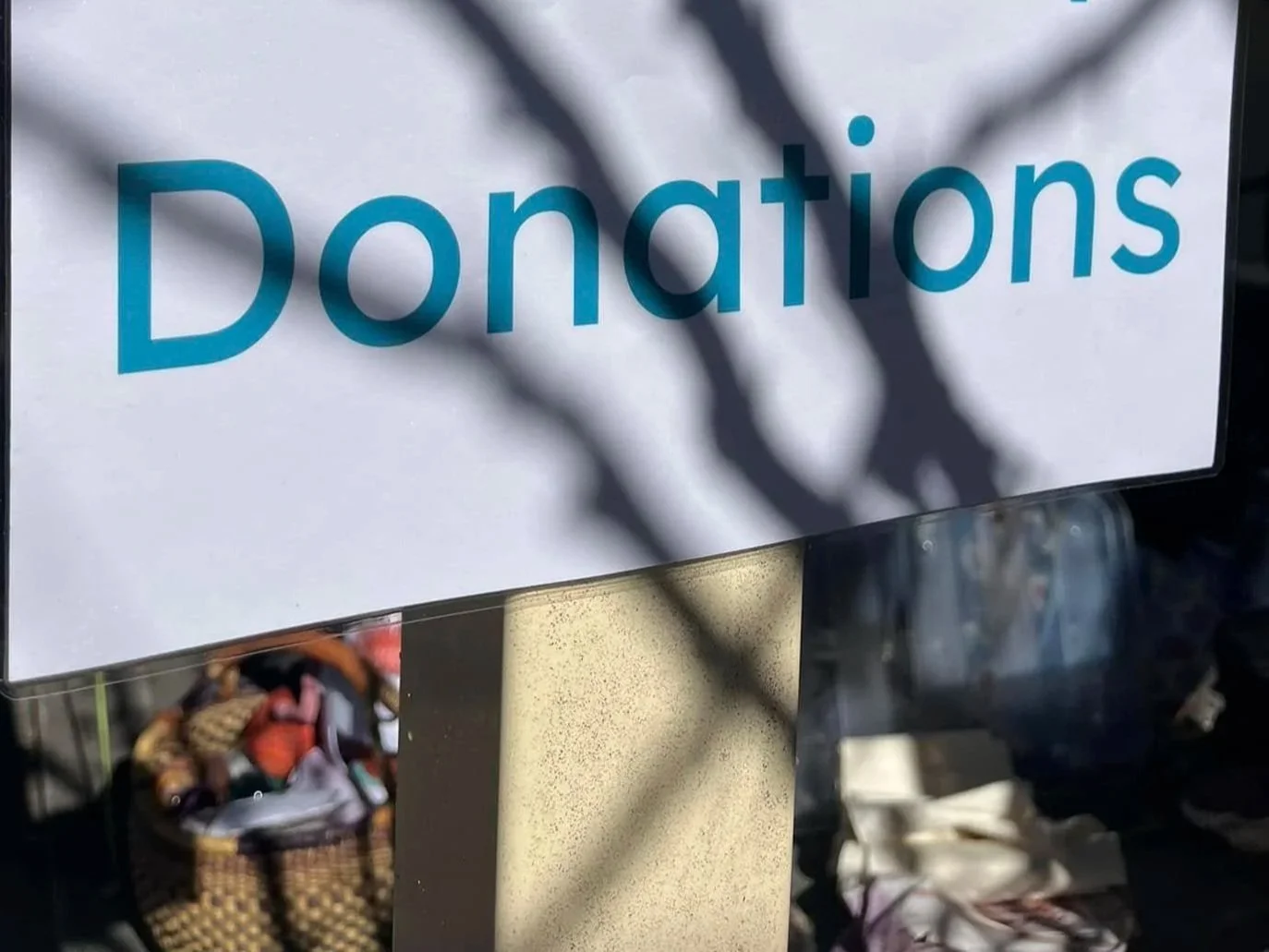
You will also, most likely, receive some donations during events. SEE Change repair cafés have found that donation receipts vary widely from group to group, and event to event. Don’t rely on the income from these donations until you have have several months of data to assess.
If you provide extra facilities at the event—for example, tea and coffee—you may wish to provide a donation box so people can contribute to the cost of these.
Other avenues
These are some of the most common ways to fund a repair café but they are not the only ones. Others include:
Running a parallel event which generates income, like the Hawker Repair Café’s Made Local Market
Raising initial seed funds through crowd-funding
Membership-based funding from a community organisation, either general-purpose like a church, or set up specifically to sponsor the repair café
Seed funding from an incubator organisation like SEE Change
Agreements with property developers seeking a community amenity
Selling upcycled or repaired items
Running courses for a fee
The best sources of funding for your repair café will depend on you and your community. Make your own judgment about what’s right for you—but check the legal aspects of anything you decide to pursue.
How SEE Change can help
SEE Change provides many of the services that would otherwise cost money to the groups we support. If you set up your repair café as a SEE Change group you will have access to:
public liability and injury insurance
bookkeeping and legal advice
a framework for meeting compliance requirements
office, graphic design, and volunteer management tools
email services
professionally printed signage and collateral